Converting an old 26-inch bike to electric power starts with a number that looks too good. A motorized rear wheel, a controller, a throttle and pedal assist for about what a decent battery alone costs. That number is real, and it is also the moment the budget stops being about the wheel.
The hard part is what the listing doesn't sell you. A kit in this bracket almost never includes a battery, and the battery decides most of what you feel on the road: range, weight, and how the whole build rides. So you're really pricing a two-part purchase against complete e-bikes that cost more up front and save you the arithmetic.
Below is what the CUBELLIN 1000W kit actually puts in the box, what its two-owner record can and cannot tell you, where the price sits against the other kits we track, and how its speed claims line up with the rules most states use.
The CUBELLIN 1000W 26-inch rear hub kit earns its spot in the cheapest fifth of the 191 conversion kits we track on price alone, and that is the strongest thing anyone can honestly say about it.
The written record is two texts. The only purchase-backed one reports the freewheel gears arrived unattached, and the positive one is not purchase-backed at all. A buyer who knows what they're doing, already owns a 48V battery, and is willing to inspect the wheel on arrival day gets a price that's genuinely hard to beat.
Everyone else should read the record section below before deciding, because this kit asks you to be your own quality control.

A two-rating record splits clean down the middle
The evidence situation is the first thing to understand, and it's stranger than a plain bad average. Two ratings, one 5 and one 1, and the split isn't random.
The 5-star text, posted in August 2026, is not purchase-backed. The 1-star text, posted a month earlier, is purchase-backed. Every positive signal in this record is unverified and every verified signal is negative, and that split is worth noticing on its own.
What can two texts actually support? One kit reached a buyer with an assembly or packing problem: the freewheel gears were not attached to the wheel, in the buyer's own short report.
Another buyer, a commuter covering 8 miles round trip daily, has found the motor runs quietly, the brake cutoff works when needed, and the controller bag keeps the wiring tidy enough to call the bike clean-looking. That's the entire record. Install time, pedal-assist feel, range, and behavior under load have no coverage at all.
A 3.0 average built on two ratings can't be read as a trend in either direction. The practical takeaway is to treat the return window, not the star average, as your information source: unbox, check the freewheel spins and the spokes feel even, and do it the day the box arrives.
The freewheel check, in detail
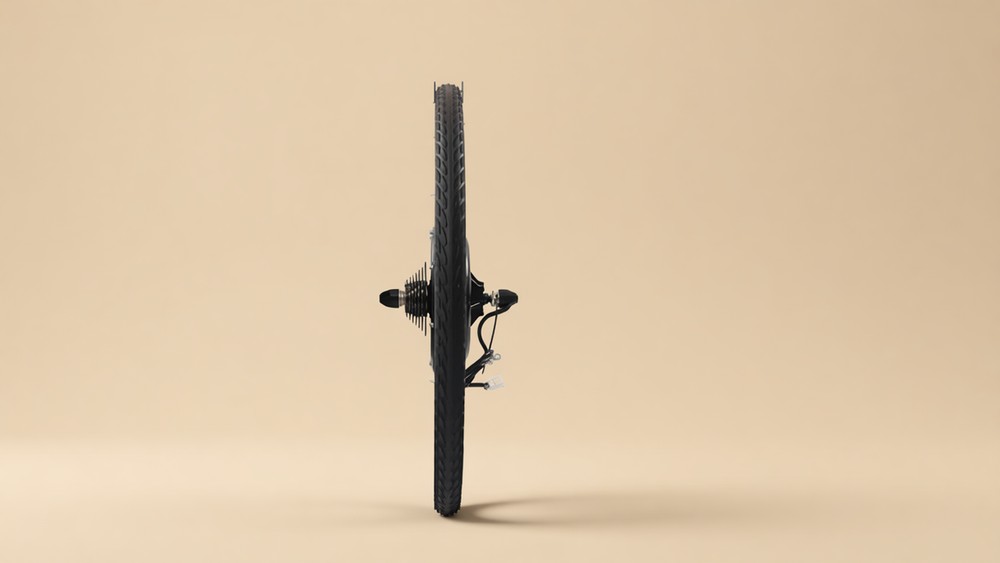
The complaint names the freewheel gears specifically, not the motor or the rim. On a rear hub kit like this one the freewheel threads onto the motor's left side and carries the derailleur gears from your original bike, so a unit that ships with them loose is a packing or assembly miss rather than a design fault. It's also exactly the kind of thing a five-minute check catches before you lace the wheel into a frame.
One buyer has reported the problem, and one report isn't a pattern, but the check costs nothing.
What complete kit leaves out
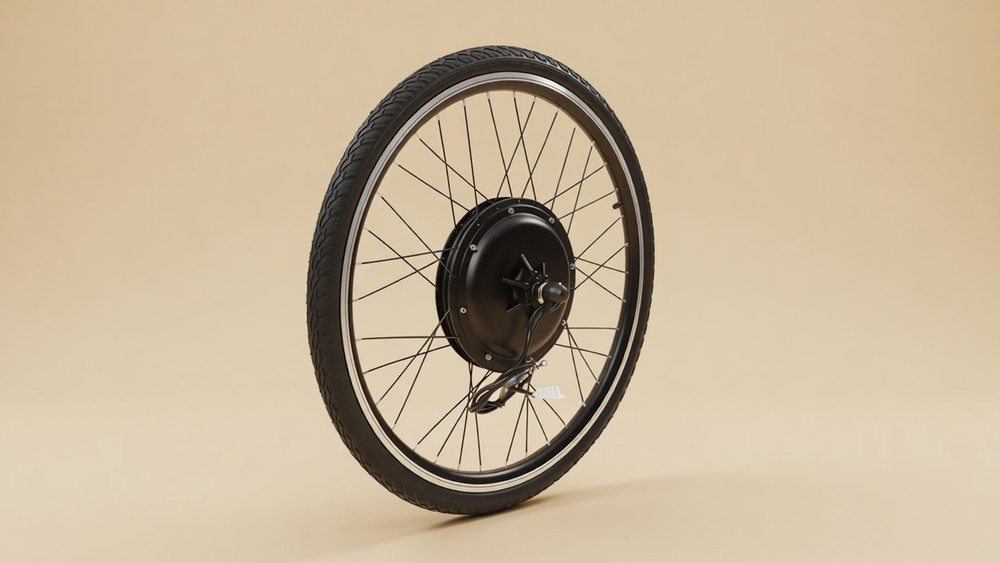
The bullet calls this a complete conversion kit, and the parts list is honest about what complete means here: the motorized rear wheel with 36 spokes laced in a staggered pattern, a controller, a cadence pedal-assist sensor, a thumb throttle with a 3-LED status display, motor-cutoff brake levers, a controller bag, and a manual. That's a working kit once you add a battery and reuse the drivetrain already on your bike.
The battery row in the bullet reads as a recommendation, not an inclusion: it points at a 48V pack of 17 to 20Ah.
The one purchase-backed review puts it more bluntly in two capital-letter words about the missing battery. Whether that buyer expected one or was warning others, the takeaway is the same: the battery is not in the box, and it's the bigger half of a conversion budget. A 20Ah pack at 48V holds 960Wh, and that's the spec that decides your range, not the motor's wattage.
Our ebike battery comparison table sorts the whole battery field by price per watt-hour if you're pricing that half of the build.
The load rating that looks like a weight
The spec table carries a 264.55 lb figure that's easy to misread as the kit's weight. It's the wheel assembly's load rating: 120 kg, the maximum the wheel supports when correctly installed on a compatible bike. The listing states no kit weight at all, which matters more than usual for a hub motor, because a heavy direct-drive wheel on a lightweight frame changes how the bike handles.
The rim is an aluminum-magnesium alloy, and 36 spokes on a rear hub is the standard count for this class.
Where the price sits against the other kits we track
At 109.99 when checked, this kit sits in the cheapest fifth of the 191 conversion kits on our comparison table. The exact position changes every time our data refreshes, so the specs box on this page renders it live rather than me quoting a rank that goes stale.
That price band deserves an honest frame. Cheap here is cheap partly because CUBELLIN has no track record for a buyer to lean on, its category rank sits deep in the Bike Hubs subcategory when checked, and the evidence base is two ratings. You're trading owner proof for money.
Against the alternative in the same bracket, a used motor or a no-name kit with the same thin record, the strongest argument for this one is that the parts list is complete and the load rating is stated. Against a kit costing twice as much with hundreds of ratings, the argument is simply that you're paying less and accepting less certainty.
The speed claims and where the law draws its line
The listing claims a 1000W brushless gearless motor, 45 Nm of torque at 440 rpm, over 80 percent efficiency, and a rated speed up to 53 km/h or 33 mph.
The same bullet concedes that actual speed varies by load, battery, terrain, and setup, which is the honest part of the claim. I'm reporting these figures, not endorsing them: no text in the record describes a top speed, so there's no owner evidence either way.
Here's the context those claims sit in. The US federal definition of a low-speed electric bicycle is a vehicle with operable pedals, a motor producing less than 750W, and a motor-only top speed under 20 mph with a 170 lb rider, and e-bikes above those limits can fall under motor-vehicle rules rather than bicycle rules.
Many states use a three-class system that caps Class 1 and 2 at 20 mph and Class 3 at 28 mph, with a 750W cap written into the model law most of them follow.
A 1000W kit with a claimed 33 mph sits outside that definition on paper, and so does nearly everything else in this power bracket.
Where you may ride one is decided state by state, and riders sticking to private land or off-road trails are in a different situation from street commuters. The Wikipedia electric bicycle laws page is the source for the federal figures, and your own state's vehicle code is the one that applies to you.
The 2-year warranty in the spec table is worth confirming at purchase time for a kit in this class, because the controller and motor are the expensive electronics and a budget brand's warranty terms are the backstop if either fails early.
Buy it only if you already own the battery and the 26-inch bike
The decision this kit forces is narrower than most. It fits a 26-inch wheel bike, it needs a separate 48V battery of 17 to 20Ah, and its record is two texts.
Add those up and the sensible buyer is specific: someone who already has the bike and a compatible battery, wants a motorized wheel at the cheapest-fifth price, and is willing to check the freewheel and spokes on arrival day and use the return window as the real test.
It makes no sense for a first-time converter pricing a whole build, because the battery still to buy costs more than this kit does. It makes no sense for a street commuter in a state that enforces the class caps, where the claimed 33 mph is unusable on paper.
And for a rider who wants owner evidence before spending, the honest advice is to wait until this record grows past two texts, or to look at the 2000W CUBELLIN sibling kit and compare records before choosing. Our kit comparison table shows both against the full market.
Frequently asked questions
Does the CUBELLIN kit include a battery?
No. The parts list covers the rear wheel, controller, pedal-assist sensor, thumb throttle, brake levers, controller bag, and manual. The bullet's battery row recommends a 48V pack of 17 to 20Ah, and the one purchase-backed review makes the same point in two capital-letter words. Budget for the battery as a separate purchase.
What bikes does it fit?
A 26-inch rear wheel, which covers many mountain bikes, cruisers, and older hybrids but not 27.5-inch or 700c bikes. The wheel assembly carries a 120 kg load rating when correctly installed, and your original freewheel or cassette transfers onto the motor.
How fast does it go?
The listing claims up to 53 km/h or 33 mph rated, and concedes actual speed varies by load, battery, terrain, and setup. No owner text in the record describes a top speed, so treat the figure as the seller's claim.
Is a 1000W kit street legal?
The federal low-speed e-bike definition covers motors under 750W and motor-only speeds under 20 mph, so a 1000W kit sits outside it on paper. State rules decide where you may ride, and they vary. Off-road and private-land use is a different question from street commuting, and your state's vehicle code is the one to check.
What does the owner record actually say?
Two texts. One unverified commuter report describes a quiet motor, working brake cutoff, and tidy wiring on a daily 8-mile round trip. The one purchase-backed text reports the freewheel gears unattached on arrival and the battery missing.
Neither covers install time, pedal-assist feel, or range, and two ratings can't establish a trend in any direction.