Rider-to-passenger intercom used to be the part of helmet comms you paid the most for. The big names charge more for a single headset than some people spend on the helmet it goes into, and the passenger link is usually the feature locked behind the mid-tier models.
So a 15.99 unit that claims two-way intercom, a six-rider group mode and 25 hours of battery is going to raise the question of what got cut to hit that number.
The WARM EF TW2S answers some of that with its record and dodges the rest. Ten buyers have left text, and the verified ones are almost uniformly happy, but most of them say very little. Meanwhile the listing carries two different range numbers, a group-size claim its own title argues with, and battery figures nobody has checked.
This review walks through what the one detailed owner account actually covers, what the two range claims mean against the Bluetooth standard, and which promises on the page no buyer has ever tested.
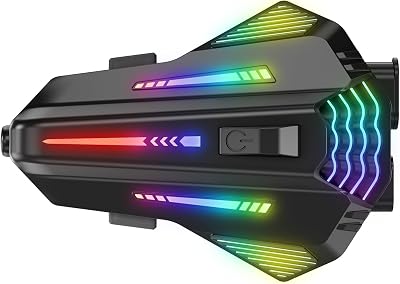
A 15.99 headset with the happiest thin record we have rebuilt
The WARM EF TW2S is a clip-on helmet speaker set with a two-way intercom, an LED status screen and both microphone types in the box, and at a checked price of 15.99 with the buy box on it sits in the cheapest fifth of the 192 intercoms we track on price per rider.
The rating is 4.0 from 27 owners, and it is ranked 224th in powersports helmet communication. Ten review texts exist, and the shape of the record is unusual: six of them are five-star texts with a confirmed-purchase badge, and three of those say almost nothing. One is the word Good.
Another is Pretty good! And loud. The critical texts are all unverified purchases, and two of them describe setup trouble rather than broken hardware.
So the honest summary is that the price band is real, the happy record is real, and neither one tells you much about how the headset performs, because almost nothing on the listing's feature list has been exercised. The live price position sits in our intercom table next to everything else we track.
One vote, one deep review, and what it actually covers
Only one text in the whole record carries a helpful vote, and it is the deepest one. That owner installed the TW2S in an ILM helmet, found the setup easy, and was surprised by the sound quality: navigation notifications stayed audible at high speed, music held up, and both microphone types came through clearly to callers. They sum it up as the functions any rider needs for nav, music and intercom.
Around that text sit the one-liners: a verified five-star that says only Worked for intercom with passenger, another reporting excellent battery life and easy controls, a Spanish five-star praising clear sound, battery and the LED design, and the two near-empty ones quoted above.
The three critical texts are all unverified. One four-star found setup finicky and has used the headset for music and navigation only, so they cannot vouch for the talking side. Another four-star calls it good value with clear audio through wind at normal riding speeds and reasonable noise cancellation on calls.
A three-star parent reports their son had some difficulty getting it to work. The single verified one-star says the speakers are big and pop when riding, which reads as a fit or comfort complaint rather than an electronics one. The split matters: the verified record is happy but shallow, the depth lives in one text, and the complaints are unverified and mild.
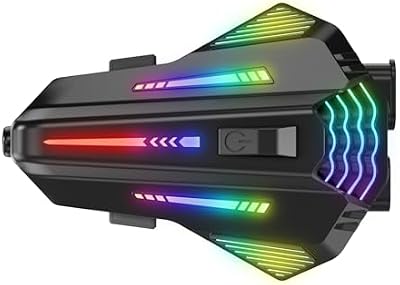
The listing carries two range numbers that cannot both be true
The details table lists Maximum Range at 520 meters and, further down the same table, Bluetooth Range at 100 meters. Per Wikipedia's Bluetooth article, the most widely used mode typically reaches under 10 meters, Class 1 radios manage up to 100 meters, and Bluetooth 5.0 stretched the best case to 400 meters under ideal conditions.
So the 100-meter row is the honest one, and the 520-meter intercom claim asks you to believe in more than the standard provides even at its ceiling. The bullet goes further and promises a Bluetooth 6.0 chip with zero signal interruptions at high speed, which no owner has tested either way.
The title has its own argument to settle. It says 2-Way Intercom, while the details table lists a maximum group size of 6 riders with multi-group chat. Both cannot be the headline feature of the same product page, and no owner has reported using more than two units, so the six-rider mode is entirely untested.
If group riding is the reason you are reading this page, nothing in the record supports the claim.
One small cell behind three battery numbers
One 1000mAh cell is claimed to deliver 25 hours of music playback, 50 hours of call time and 100 hours of standby, recharging in 2 hours over USB-C. The call figure is the odd one: double the music time is backwards for a radio that transmits while it talks, and battery claims in this class typically run 15 to 30 hours measured at idle or low volume, with almost nobody metering them in real use.
What owners actually say is thinner still: two verified five-stars call the battery life excellent or long-lasting in words, and nobody reports a single hour.
The same gap covers the rest of the feature list. Nobody describes riding in rain, so the IPX6 rating is unexercised, and that rating per IEC 60529 covers powerful water jets with the dust digit untested, not submersion.
Nobody mentions the LED screen, the four RGB light modes, or the TF card slot for phone-free music. These are the features the page leads with and the record never touches.
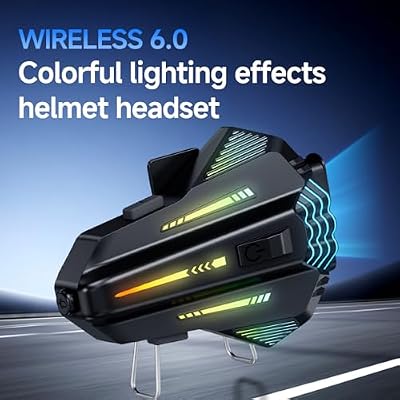
Buy it for the passenger link, not for the group ride
What the record supports is narrow but real: music and navigation at ordinary speeds, easy phone pairing, rider-to-passenger intercom, and both microphone types coming through clearly to callers, all at a price in the cheapest fifth of our table.
The box holds one headset, with velcro attachment, height-increasing pads and four back clips for fitting different helmets, and the one fit complaint on record says the speakers are big, which the pads exist to manage. The 2-year manufacturer warranty and the price cap the downside of trying it.
Note the box math before you order for two. The details table says one headset per box, and a rider-to-passenger link needs two of them, which puts the real pair cost near 32. Our comparison row divides the price across two riders, which is how the per-rider figure gets so low.
If your need is one bike's rider and passenger talking at city speeds, this is among the cheapest ways to try it, and the return window will tell you more than the listing does. If you need verified range, group riding, rain performance or mesh, nothing in this record supports any of it, and the intercom table is where the alternatives sort out.
Frequently Asked Questions
How far does the intercom reach?
The listing gives two answers: 520 meters maximum and a 100-meter Bluetooth range in the same table. Bluetooth 5.0 tops out at 400 meters under ideal conditions, cited above, and no owner has reported any distance beyond passenger use.
Does one box hold one headset or two?
One. The details table says a single headset, so a rider-to-passenger link needs two boxes, which puts a working pair near 32.
How long does the battery last?
The claim is 25 hours of music, 50 hours of calls and 100 hours of standby from one 1000mAh cell, charged in 2 hours over USB-C. Two owners praise the battery in words and nobody has reported hours.
Is it waterproof?
It carries an IPX6 rating, which per IEC 60529 protects against powerful water jets while the dust digit stays untested. It is not an immersion rating, and no owner has described riding in rain.
Is it worth 15.99?
On price per rider it sits in the cheapest fifth of our intercom table, the 4.0 rating comes from a small 27-owner sample, and the verified record is happy but shallow. As a cheap way to test a passenger link inside a return window, the price makes sense.