1440Wh is a lot of battery. Most riders will find this to be far beyond what they need for commuting and into serious long-distance touring or cargo use. The LGECOLFP 48V 30Ah battery delivers that capacity with a 40A BMS, a USB port, and a 3A fast charger. The motor compatibility range goes from 200W to 2000W, which is one of the widest compatibility ranges in the 48V category. Riders who plan to build high-power setups or ride in situations where running out of charge would be a significant problem should take a close look at this pack.
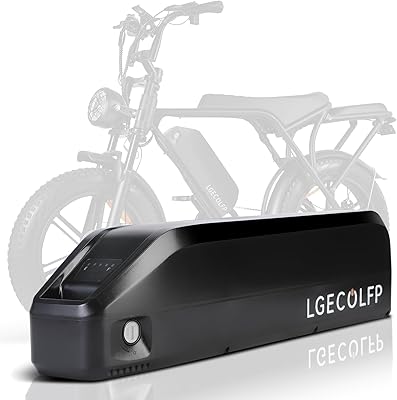
There is a positive early review average for this listing, though the total number of reviews is limited. The spec-level evaluation is the primary basis for this breakdown. Once more reviews accumulate, they will either confirm or challenge the performance claims in the listing.
What 1440Wh Actually Delivers
1440Wh at 48V is the output of 30Ah of cells. For practical range estimates, most riders using moderate pedal assist on flat terrain will get 45 to 70 miles per charge. Cargo bikes, hilly terrain, and riders who frequently use the throttle will experience substantially lower mileage. However, even at half the estimated maximum, you're still looking at 30-plus miles. For daily commuters with a 20-mile round trip, a full charge on 1440Wh can provide 3 days of service.
One drawback of 30Ah is weight and size. A 48V 30Ah pack is significantly heavier than a 20Ah unit. External box packs at this capacity can weigh 15 to 20 pounds or more. The additional weight affects the overall handling of the bike and makes it more difficult to transport. For riders who regularly move their bike up stairs, into vehicles, or onto transit, that weight difference from a 20Ah pack is something to factor in before committing to 30Ah.
40A BMS and 2000W Compatibility
The 40A BMS at 48V handles 1920W continuously. The 2000W motor compatibility claim exceeds the BMS's rated continuous output, so sustained 2000W loads would push the BMS past its limit. During rapid acceleration, the BMS generally handles peak current spikes above its continuous rating, but prolonged 2000W loads would require verifying the BMS specification directly with the seller.
Within the 500W to 1500W motor range, the 40A BMS offers comfortable overhead above the rated continuous output. This is the optimal range where the manufacturer's compatibility claim is most clearly supported by the BMS rating. For most high-power builds using a 750W to 1500W hub motor or a Bafang BBSHD mid-drive, the 40A BMS provides sufficient headroom that BMS cutouts during hard climbs or sustained high-assist use should not be a concern.
USB Port and 3A Fast Charger
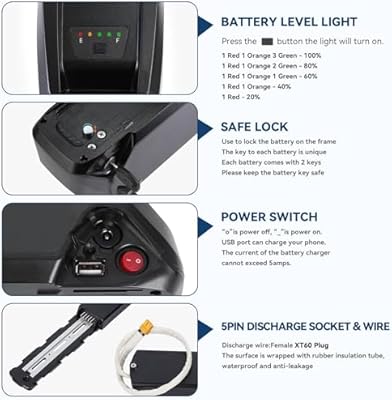
The USB port is a practical feature on a pack intended for extended rides, where keeping a phone or GPS charged matters more than on short commutes. Being able to charge devices directly from the battery without stopping adds genuine value for touring use. On a 100-plus mile touring day, a dead phone that can't display your route is a real problem. The USB port resolves that without any additional hardware.
The 3A fast charger is important at 30Ah capacity. A standard 2A charger would take 15-plus hours to fully charge a depleted 30Ah pack. The 3A charger cuts that to around 10 hours, which makes overnight charging more practical and allows a meaningful top-up in a few hours if needed.
External Box Format at 30Ah
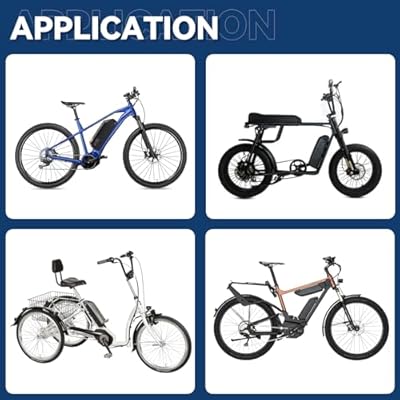
Like all batteries at this capacity, this is an external mounting pack. Mounting options are the same as for any external box: rear rack strapping, large triangle bags, or custom brackets. At 30Ah, the battery is large enough that dedicated mounting solutions rather than improvised strap setups are worth considering for riding stability.
The physical size at 30Ah means this pack occupies more triangle space than a 13-15Ah unit. Large triangle bags designed for high-capacity batteries are widely available, but verify dimensions before purchasing a bag. For rear rack mounting, make sure your rack is rated for the weight involved. A 15 to 20 pound battery on a rack rated for 10 pounds is a setup issue waiting to happen.
Check current pricing and the latest Amazon reviews since the listing may have more user feedback since this was written.
Who Should Buy This
The LGECOLFP 48V 30Ah is ideal for riders who need genuine long-range capability, are running high-power motors in the 500W to 1500W range (and potentially up to 2000W with BMS verification), and are comfortable with the size and weight that comes with 1440Wh. Long-distance touring setups, cargo bike builds, and any application where running out of charge is a critical failure are the natural use cases.
For standard commuter use where a 20Ah pack provides adequate range, the extra weight of 30Ah is unnecessary. Use the [battery comparison table(/ebike-batteries/) to compare 20Ah and 30Ah options side by side. For riders on 52V systems, filter the table for 52V-compatible high-capacity options.
Browse 48V 30Ah ebike batteries on Amazon for comparison pricing. More reviews covering the capacity spectrum are in the ebike battery reviews section.
Frequently Asked Questions
How much does a 30Ah battery typically weigh? A 48V 30Ah pack in the external box format typically weighs 15 to 20 pounds. This is a substantial addition to the bike's weight compared to 10Ah packs at under 7 pounds. Factor the total bike weight into your decision, especially if you carry the bike up stairs or load it into a vehicle.
Is the 2000W motor compatibility reliable at 40A BMS? At 48V, a 40A BMS handles 1920W continuous. Sustained operation at 2000W pushes beyond the rated continuous output. Peak spikes at 2000W during acceleration are typically handled. For sustained 2000W loads, verify with the seller before ordering.
How long does charging take with the 3A charger? From near-empty, a 3A charger on 30Ah takes about 10 hours. Starting a charge in the evening and finishing overnight works well for most schedules. If you need faster charging, some sellers offer optional higher-amperage chargers, but verify compatibility first.
What is the USB port useful for on long rides? The USB port charges phones, GPS devices, bike computers, and lights directly from the pack. For touring use where you're relying on navigation and want to avoid a dead phone mid-route, it's a practical feature. The draw from USB charging is minimal relative to 1440Wh.
Can I use this as a primary pack for a cargo ebike? Yes, and this is one of the better use cases for 30Ah capacity. Cargo ebikes carry heavy loads over longer distances, where high capacity is genuinely needed rather than just theoretical comfort. The 40A BMS handles the sustained high-current demands of loaded cargo riding.
Does 1440Wh have any transport restrictions? Battery packs over 100Wh have airline transport restrictions, and 1440Wh is well above that limit. You cannot take this in carry-on or checked luggage on commercial flights. For ground transport by car or bike, there are no restrictions.