This battery was the cheapest 1040Wh option in the 52V band at scrape time at 14 cents per Wh with US stock, but since the listing is now retired, the buying method survives. The value band has narrowed, so the checklist matters more than the SKU. 52V conversion builders on a budget win if they verify cell brand and BMS in writing. These checks keep you safe.
What the pack promised, and the checklist that replaced it
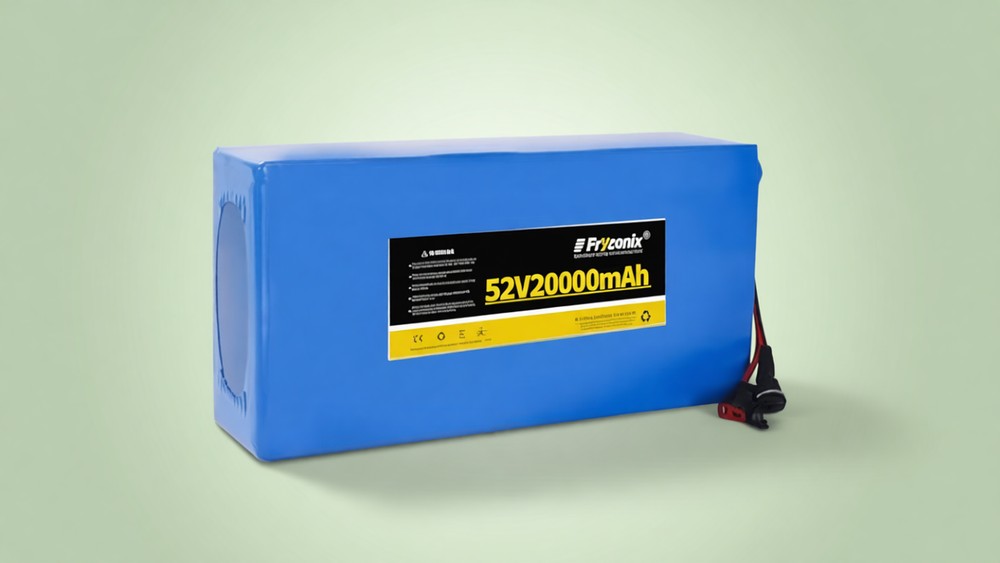
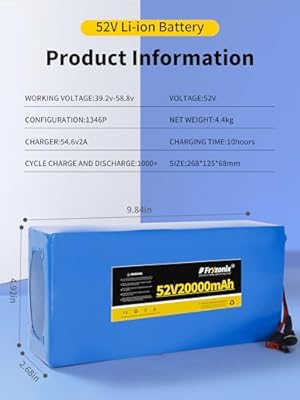
The listing claims 1040Wh of energy and a 30A BMS with four standard protections, but the 1500-cycle claim looks optimistic compared to the usual industry band of 500 to 1000 cycles. You should ask the seller if that number holds up because most cheap cells lose capacity long before they hit that mark. If the cells are not a known brand, the pack might fail much faster than you expect while riding. This means you could end up buying a replacement sooner than you planned, which wastes money.
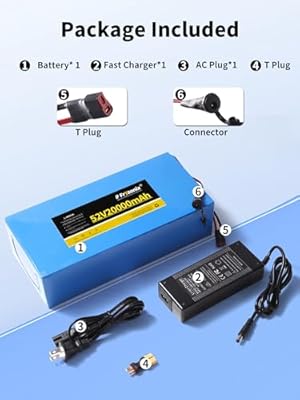
The T-Plug discharge port fits many kits, but you need to check if the connector matches your controller or if you must buy adapters for XT60. The included 2A charger will take eight to ten hours to fill the pack, so you should plan for overnight charging or find a 3A unit. You should also verify the 30A rating in writing so the BMS can actually handle the draw you need. If the BMS is weak, it might cut power right when you climb a hill.
A full 52V pack peaks at 58.8V, which can cook a controller rated for only 48V since it exceeds the standard 54.6V limit. Your display might read wrong numbers, or the electronics could fry because the voltage stays too high under heavy load. You must check your controller specs before you plug this in to avoid a total mess. If the controller blows, you'll be left stranded without a way to get home. That is a big risk when you mix voltage classes without being careful.
What 1040Wh actually buys you in miles
When you look at a 1040Wh pack, you have to account for the 85% usable rule, which leaves you with about 884 usable Wh for your actual daily rides. This means that if you use pedal assist and burn 15 to 25 Wh per mile, you'll cover between 35 and 59 miles on a single charge. If you lean hard on the throttle and pull 30 to 40 Wh every mile, the range drops to a tighter band of 22 to 29 miles. These numbers will shift if you face steep hills or ride in the cold because the energy drains much faster than you expect.
The math stays simple, but the real world depends on how much you push the motor and how much weight the bike is carrying. Since this pack comes with a 2A charger, you're looking at an 8 to 10 hour wait to fill the cells, so it fits an overnight routine well. If you need a faster turnaround, you might have to buy a 3A charger separately to save time when you get home from a long trip. You're betting on that capacity to get you through your commute without leaving you stranded halfway down the trail.
A smart BMS with Bluetooth telemetry is the standard upgrade in this tier because it lets you see your cell health and cycle count on a phone app (EM3ev's 52V packs show what that looks like). Since the Fryzonix shipped a basic 30A BMS instead, today's buyer can demand app-visible cell data at similar money from other sellers. Without that data, you're just guessing about how much life is left in the cells after months of use. This lack of info means you won't know if the pack is starting to fail until it actually dies on you.
52V math: why the voltage class buys speed and heat margin
Choosing a 52V pack over a standard 48V one lets you pull more watts using the same amps, which keeps the motor and wires much cooler while you climb steep hills. The system can push harder for the same current, which mostly shows up as less heat rather than a headline speed gain. You get a better heat margin since the battery doesn't work as hard to maintain that speed during long rides.
The real trap with this voltage is that it peaks at 58.8V when full, which is higher than the 54.6V limit that most 48V controllers and displays can handle. If you plug this into a 48V system, the display reads the pack wrong, because it is scaled for a lower ceiling. This mismatch can lead to a fried controller if the electronics aren't rated for that extra voltage pressure.
You need to make sure both your controller and display are built for 52V, or you'll end up with a bike that lies to you or dies mid-ride. It's a simple check to do before you wire things up so you don't wreck your gear. Using the right parts saves you from a costly repair. Browse the current 52V 20Ah listings on Amazon with this checklist open.
Who should buy in this slot, and who should spend differently
If you're looking to upgrade your bike to 52V without breaking the bank, this slot fits your needs as long as you don't need a smart app or a fast charger. It works well for riders who can leave the pack in overnight, because the included charger takes many hours to fill the cells. You should ask the seller to confirm the cells and BMS in writing before you spend your money on a specific pack. The value has shifted since the spring, so compare the cost per watt-hour on the battery comparison table today.
If you want a brand you trust or need to see your battery health on a phone app, you should look at the named-brand tier instead. A basic BMS won't show you data, which might bother those who track every cycle during long rides. Riders who need a quick charge before a trip find the two-amp charger far too slow for a daily routine. The BtrPower 48V/52V 15Ah LiFePO4 is the safer-chemistry alternative in the same value band if cycle life matters more to you than raw capacity.
Frequently Asked Questions
How many miles will I get on one charge?
You can expect between 35 and 59 miles using pedal assist or roughly 22 to 29 miles if you rely heavily on the throttle. These figures account for usable capacity limits and standard consumption rates for most riders.
How long does it take to charge this battery?
The included 2A charger takes 8 to 10 hours to fill the 1040Wh pack from empty to full. You should plan for an overnight charge or buy a 3A charger to cut the time down to about six hours.
Can I use this battery with a 48V controller?
It won't work correctly because the pack peaks at 58.8V which is above the 54.6V ceiling of standard 48V systems. You must check the specific spec sheet rather than the label to avoid damaging your electronics.
Is this compatible with a Bafang mid-drive motor?
The 52V voltage and 30A BMS are compatible with Bafang mid-drive setups, though you might need a connector adapter. The T-Plug discharge port matches many aftermarket kits but requires checking your specific wiring.
What is the best way to store the battery?
Keep the pack at a 50% to 60% charge in a cool and dry place to maintain cell health. Storing it at both extremes like full or completely empty will age the cells much faster.